
www.industry-india.com
14
'26
Written on Modified on
Captive jetty commissioned for modular export operations
Technip Energies India commissions a captive jetty at its Dahej manufacturing yard to support large-scale module exports, improving logistics efficiency and reducing transportation emissions.
www.ten.com
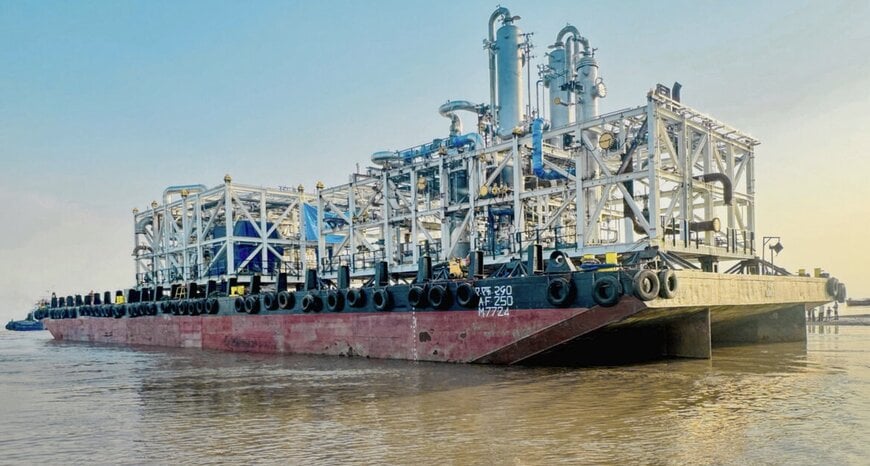
Technip Energies India has commissioned its first captive jetty at its Modular Manufacturing Yard (MMY) in Dahej, Gujarat, marking a milestone with the dispatch of its first large-scale process module consignment to the Netherlands for a global energy major.
Technical Optimization of Oversized Module Logistics
The relevance of this captive jetty is defined by its ability to handle process modules weighing up to 4,000 metric tonnes. By transitioning from land-based to maritime transport, the system achieves a significant reduction in transit time, decreasing the logistical window from approximately 15 days to a period of 48–72 hours. This shift integrates into a broader automotive data ecosystem of industrial logistics, where automated scheduling and direct sea-lane access ensure the seamless movement of critical energy infrastructure to markets in North Europe via the Suez Canal.
Sustainable Execution and Engineering Standards
A primary technical benefit of the new jetty is the reduction of fuel consumption by an estimated 60–70% compared to heavy-haul road transport. The facility was completed within an accelerated seven-month engineering timeline, adhering to international safety and execution standards. This infrastructure allows for the delivery of complex modular projects at a global scale, supporting decarbonization goals through lower logistics-related carbon emissions while maintaining adherence to world-class safety protocols.
Additional Context
This section details technical specifications and competitive benchmarking not included in the original product announcement.
In contrast to conventional public ports, a captive jetty at a modular manufacturing site minimizes "double handling" of sensitive process equipment, reducing the risk of structural stress during transit. While road-based logistics for oversized cargo often require extensive permit cycles and temporary infrastructure modifications, this maritime solution provides a fixed, high-capacity exit point. Benchmarks in global modular construction suggest that direct-to-water loading capabilities can improve project predictability and reduce overall logistics costs by significant margins, particularly when integrated with real-time vessel tracking and load-out telemetry data.
Edited by Romila DSilva, Induportals editor, with AI assistance.
