
www.industry-india.com
13
'26
Written on Modified on
Oyster Renewable commissions solar phase of 60.9 MW hybrid project for Laurus Labs
The ₹372 crore wind-solar captive power facility in Andhra Pradesh will provide continuous green energy for pharmaceutical manufacturing.
www.oysterrenewable.com
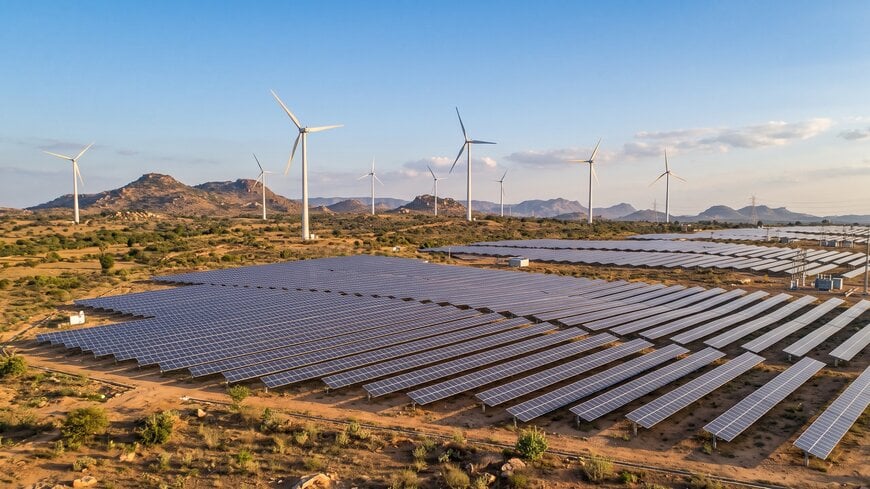
Oyster Renewable Energy Pvt Ltd, a provider of tailored hybrid renewable energy solutions for commercial and industrial (C&I) consumers, is building a 60.9 MW wind-solar hybrid power project in the Kadapa district of Andhra Pradesh, at a total project cost of over ₹350 crore. The project comprises 39.3 MWp of solar and 21.6 MW of wind capacity and will supply all of its power to Laurus Labs Limited under a captive power arrangement.
Solar generation and upcoming wind integration
The full 39.3 MWp of solar capacity has been commissioned and is generating. It is expected to produce about 51.51 million units (MU) of electricity a year, avoiding an estimated 35,571 tonnes of CO₂ emissions annually. The remaining 21.6 MW of wind capacity is expected to be commissioned by December 2026, completing the project. Once fully operational, the hybrid project is expected to generate about 124 MU a year and avoid an estimated 88,040 tonnes of CO₂ emissions annually.
Overcoming C&I intermittency with hybrid generation
Pairing wind and solar at one project extends generation beyond daylight hours, giving Laurus Labs a steadier supply of renewable power across the day and through the seasons. According to Siddharth Bhatia, MD & CEO of Oyster Renewable, renewable power is only useful to energy-intensive manufacturers if it is reliable, and more C&I consumers in sectors such as pharmaceuticals, cement and steel are moving to hybrid renewable power for this reason. Dr. Satyanarayana Chava, Founder & CEO of Laurus Labs, said that increasing the share of renewable energy in the company’s energy mix is a strategic priority, pursued through captive solar power and renewable energy power purchase agreements alongside efforts to reduce energy intensity. With additional solar and wind power arrangements, Laurus Labs aims to meet around 50% of its energy requirements from renewable sources by Q4 FY27.
Additional Context:
This section explains general principles of wind-solar hybrid generation that are not included in the original press release.
Standalone solar and wind plants only generate when the sun shines or the wind blows, so neither delivers power around the clock on its own. The two resources often complement each other: solar output follows a daily curve that peaks around midday and falls to zero at night, while wind output frequently continues into the evening and night and varies with the seasons.
Combining both at one site allows a hybrid plant to deliver a more even generation profile than either technology alone and to make better use of shared grid connection infrastructure, such as transformers and transmission lines. For energy-intensive manufacturers that operate continuously, a steadier supply of renewable power can reduce reliance on conventional grid power during hours when solar generation is low.
Edited by an industrial journalist, Lekshman Ramdas, with AI assistance.
www.oysterrenewable.com
